
Acupuncture Treatment
During our initial appointment I will consult with you about your symptoms in order to build a full diagnostic picture. This appointment will be 90 minutes so that we have time to discuss everything thoroughly, whilst still leaving time for the treatment. Subsequent treatments will be 1 hour.
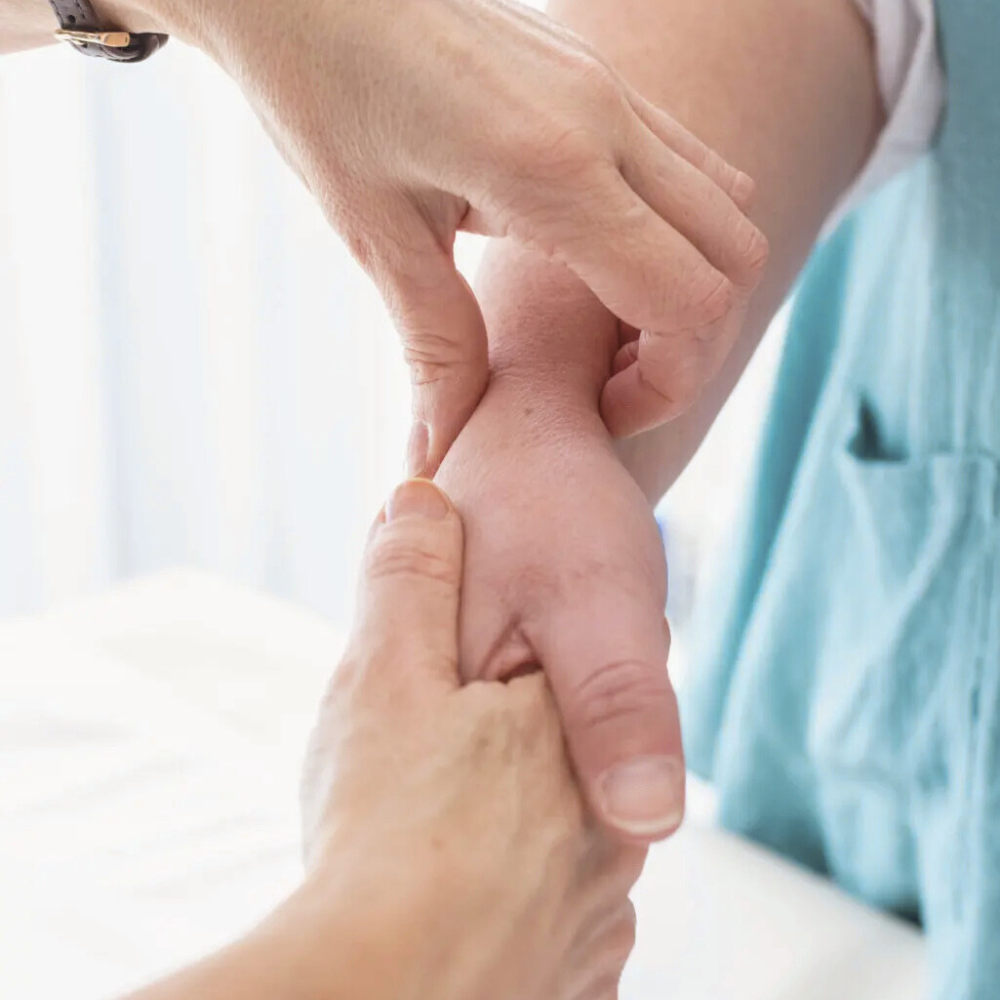
The treatment itself will take place with you lying down on the treatment couch and I will talk you through it as we go along. Firstly, I will feel your pulses as they give information about how the systems in the body are functioning. I will also look at your tongue as this also a guide to the health of your body. Then I will choose a few acupuncture points to needle. The sensation of the needles is very mild, sometimes described as a gentle pulling or warm sensation. I will encourage you to relax and enjoy the calming nature of the treatment. With life as busy as it is, patients really benefit from this opportunity for stillness.
Patient feedback is important for my understanding of how you are responding to the treatment. We can also discuss lifestyle and diet changes that might enhance the treatment.
Additional therapies which may be offered as part of your treatment:
Moxa
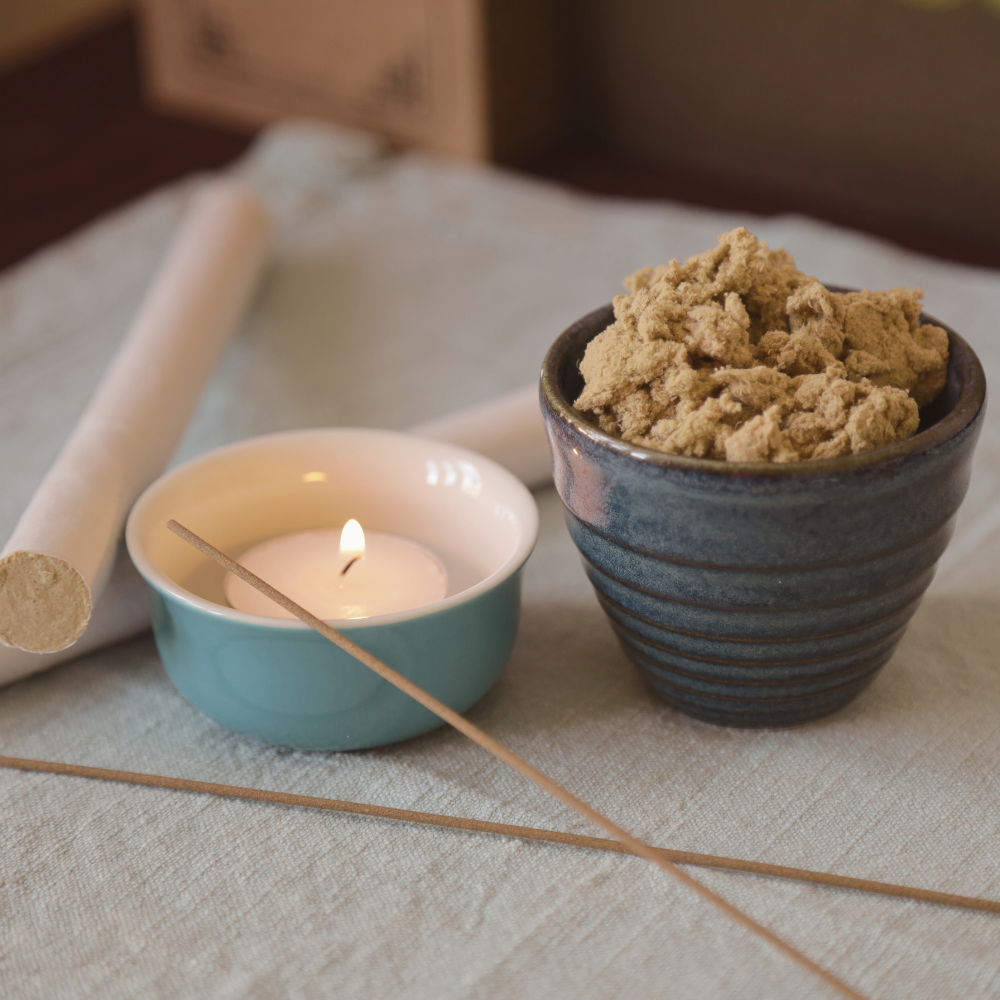
Moxa is made from the mugwort plant which when dried, burns slowly at a low heat. It can be used is many different ways, such as holding a stick of moxa above an acupuncture point, or putting some on a needle after it’s been inserted. It is very warming and is therefore very useful for treating people with cold symptoms, such as feeling cold, or having a cold or virus, or cold pain such as a stiff neck or painful periods. It is also used to build energy if someone is deficient in cases such as Long COVID or chronic fatigue syndrome. But possibly its most magical function is turning breech babies by using moxa on the little toe.
I have seen vast improvement with my stomach problems and my Eczema has completely cleared up.
Guasha
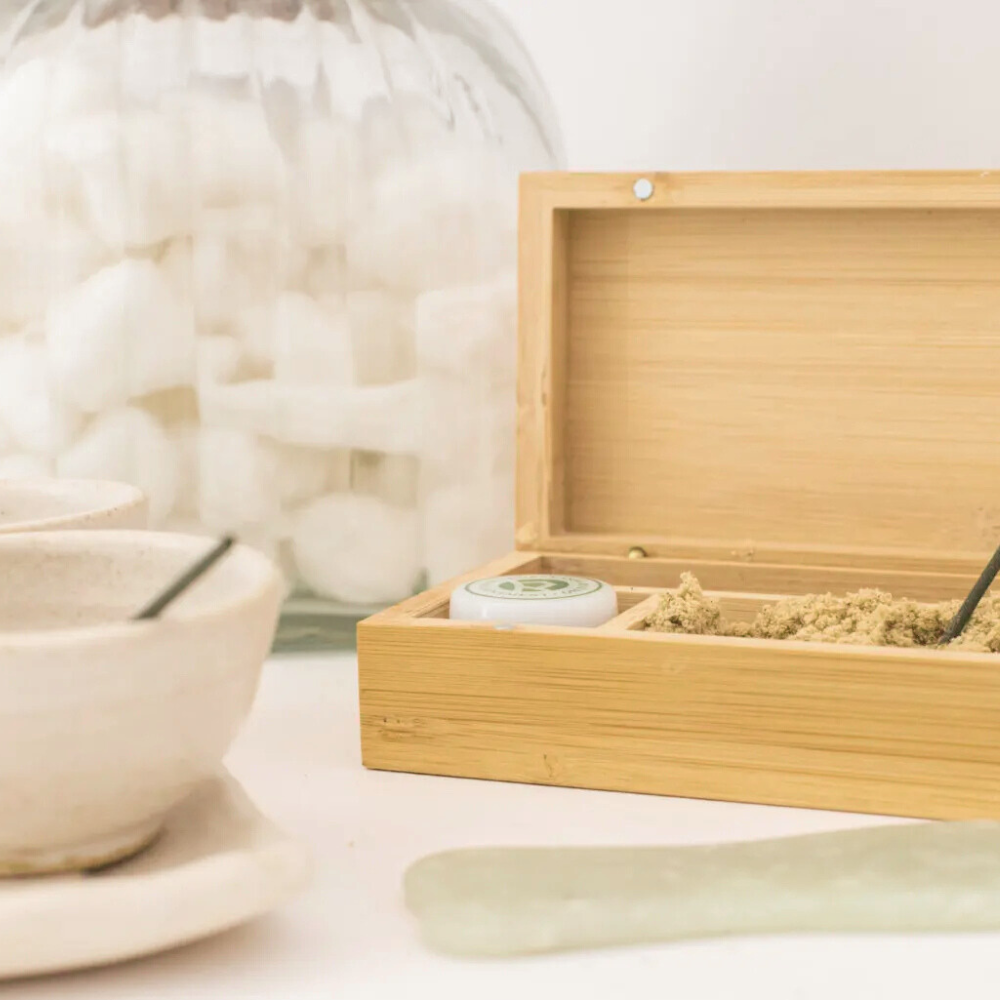
Guasha is thought to be 3000 years old. “Gua” means scrape and “sha” means red spots. It involves using a tool, traditionally a china spoon or a coin, though these days specially made tools are used, to scrape oiled skin. “Sha” refers to the red marks that come up on the skin as it’s being scraped. The sha will vary in colour and intensity depending on the issue being treated, but a problem such as frozen shoulder might develop a lot of sha whereas using it to treat a common cold might not elicit much sha at all. Whilst it might sound quite a strong and potentially painful treatment, done correctly it doesn’t hurt – it can just feel a bit intense, similar to a sports massage.
I immediately felt relaxed and calm, to the point I very nearly fell asleep on a couple of occasions.
Cupping
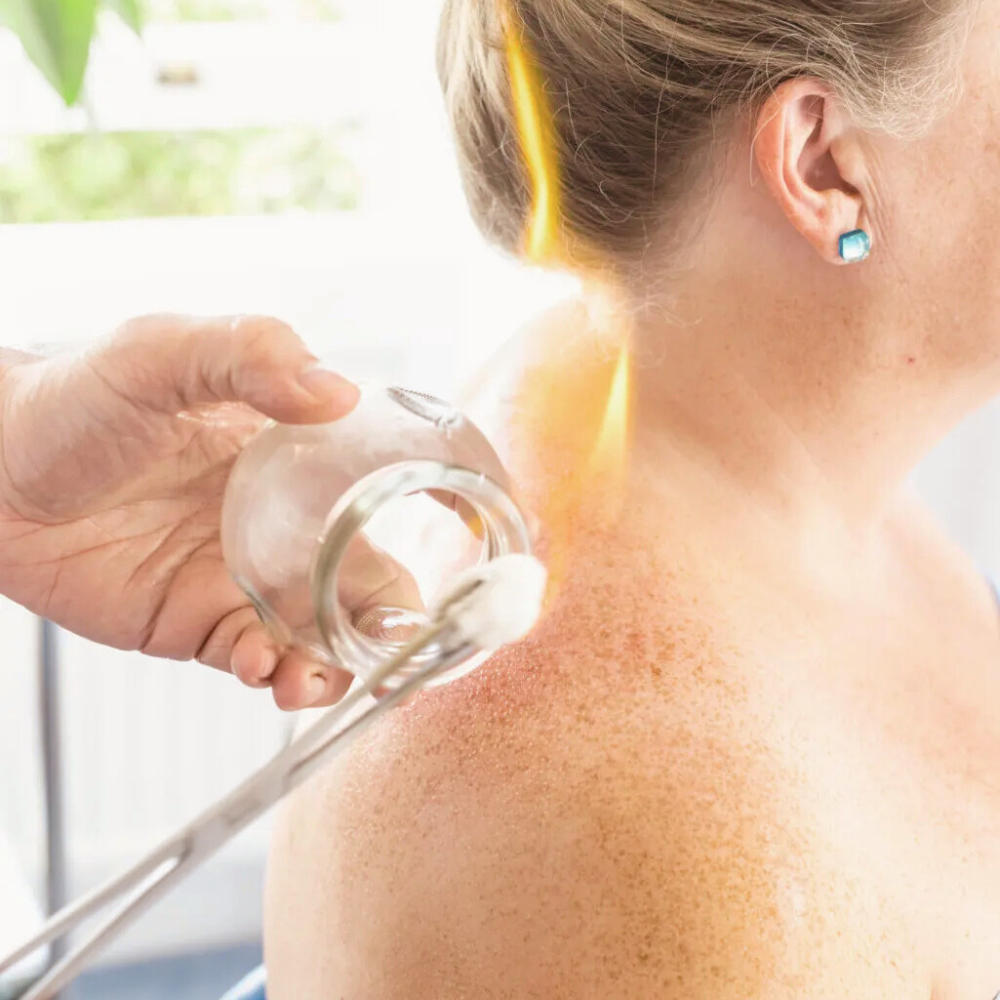
Cupping is another versatile therapy with many clinical applications, but it is mostly used for relieving muscle pain and tension. Using thick glass cups, a vacuum is created with a flame and then the cup is put on the skin to create suction. The suction gently lifts the skin allowing blood to move freely underneath, clearing the stagnation which was causing pain or discomfort. The patients who will benefit most from cupping, for example those with tight back or shoulders from working at a computer all day, tend to find they really enjoy the sensation of cups – it can be incredibly relaxing. As with guasha, cupping can bring up sha on the skin which vary in colour depending on the condition being treated (professional athletes are often photographed with cupping marks on their legs or back) but these marks are temporary and fade after a few days.
It is very meditative. I had been suffering from stress which felt immediately lifted.